- Contact Us
- Phone (973) 221-3683
192 Diamond Bridge Ave Hawthorne, NJ 07506
*/ AVAILABLE FOR EVENTS & BULK ORDERS (25+ PIECES ONLY). NO IN PERSON STUDIO WORK OR SINGLE PIECES \*
*/ AVAILABLE FOR EVENTS & BULK ORDERS (25+ PIECES ONLY). NO IN PERSON STUDIO WORK OR SINGLE PIECES \*
192 Diamond Bridge Ave Hawthorne, NJ 07506

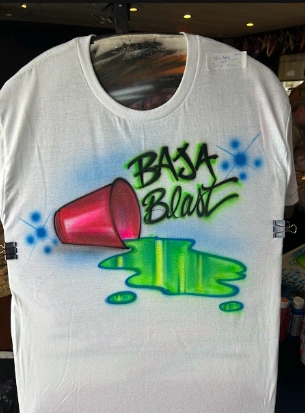
Yes, you can, and you should. A lot of people get nervous the first time they hold a shirt that was painted right in front of them at a party. They picture the design swirling down the drain after one trip through the washer. That is not what happens when the shirt is cared for the right way.
Airbrushed shirts are made to be worn, so they can handle normal life. They just need a little more gentle treatment than your everyday laundry. Cold water, a slow start, and some patience go a long way. This guide covers the simple steps that work for most airbrush t-shirts people take home from a party or event.
If we piqued your interest and you are ready to get started, or perhaps have some questions.
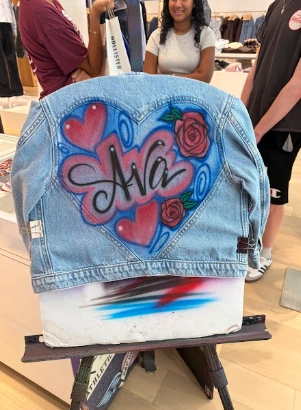
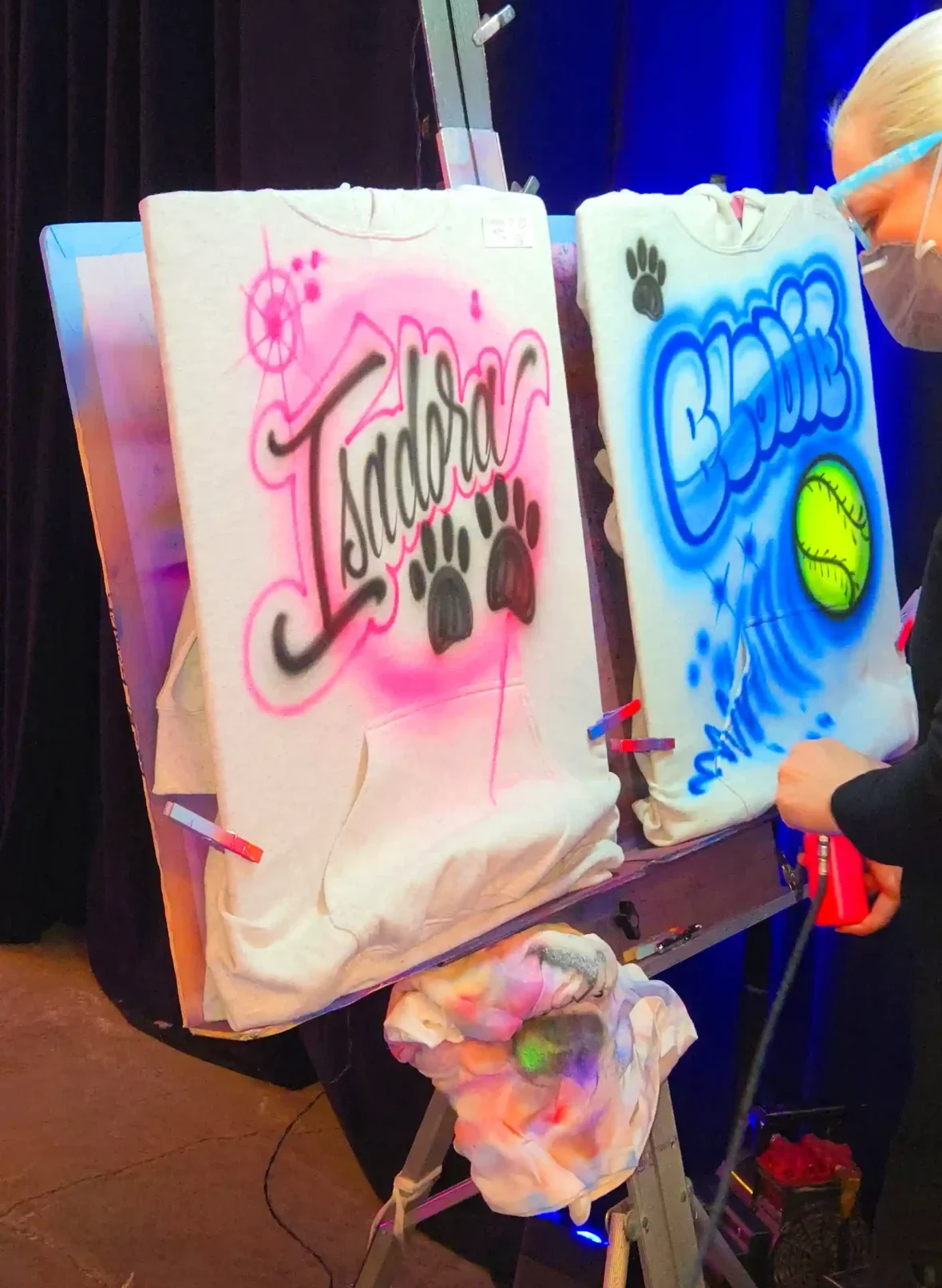
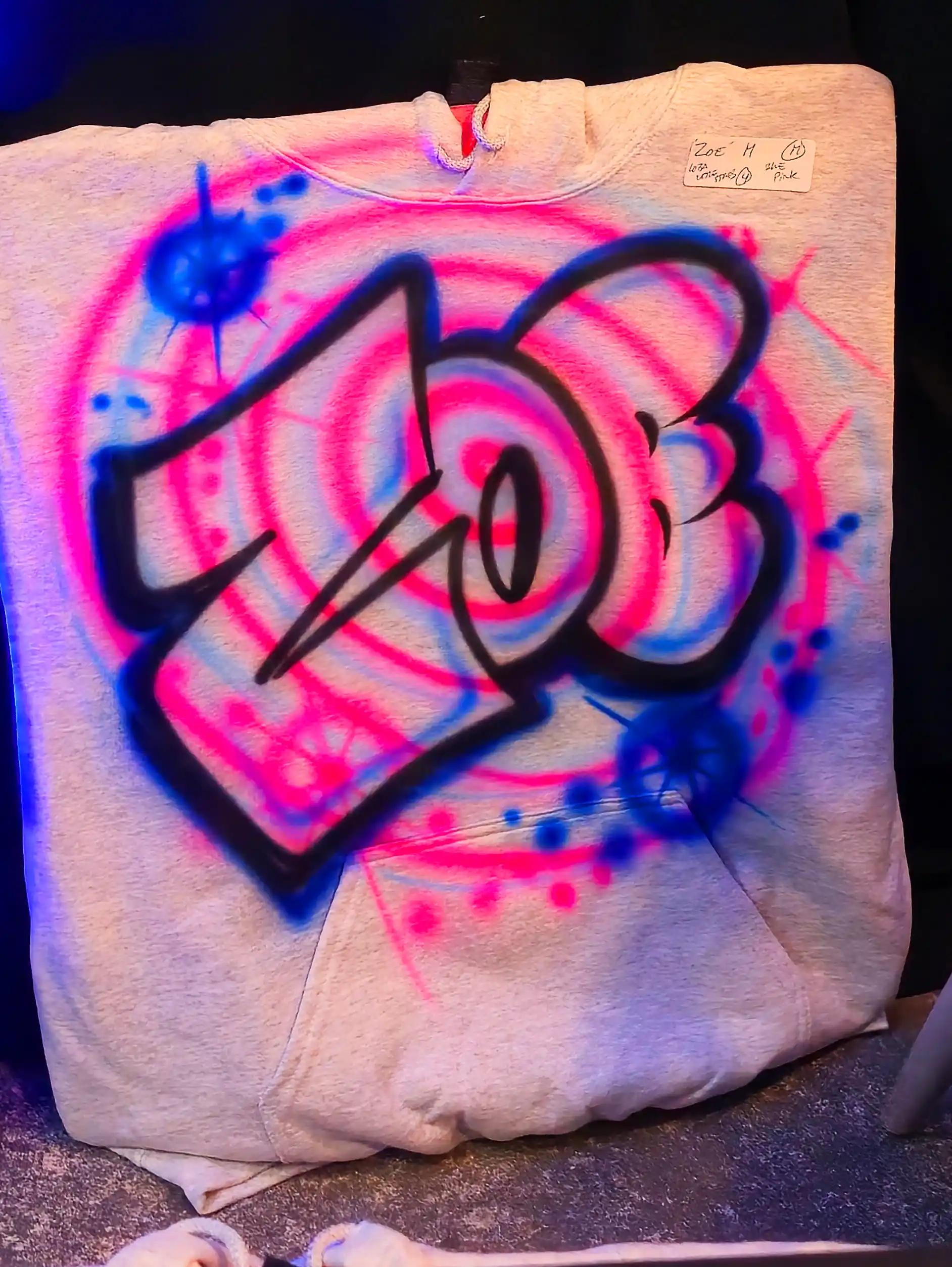

The most important step happens before the shirt ever touches water. The paint needs time to cure and settle into the fabric. Most artists suggest waiting at least five to seven days before the first wash. You can wear the shirt during that time, just keep it away from spills and rain.
Every artist works a little differently, so if you were given care instructions at your event, follow those first. Shirts painted live by an airbrush artist in NJ are ready to wear the same day, but ready to wear does not always mean ready for the washer. The artists on our team have been doing this for close to twenty years, and patience is the tip that matters most.
Some people like to add extra protection by heat setting the design. To do this, turn the shirt inside out, lay a thin cotton cloth or a sheet of parchment paper over the back of the design, and press with a dry iron on the cotton setting for a couple of minutes. Keep the iron moving and never press it straight onto the paint. If you are unsure, ask your artist whether this step makes sense for your shirt.
Take a quick look at the care label too. Cotton and cotton blends do best with airbrush paint, and they can shrink in warm water. Knowing what your shirt is made of helps you pick the right settings and avoid surprises.
Spills happen, especially at parties. If something lands on the shirt, blot it with a clean damp cloth right away. Do not scrub the design, and do not spray stain remover on the artwork, because harsh products can lift or dull the paint.
Hand washing is the safest choice, especially for the first few washes. Fill a clean sink or basin with cold water and add a small amount of mild detergent. Turn the shirt inside out, place it in the water, and gently swish it around for a minute or two.
Rinse with cold water until the soap is gone, then press the water out with your hands. Do not wring or twist the shirt, since that can crack the paint. Lay it flat on a clean towel or hang it up to dry, away from direct sun.
A machine is fine for most shirts if you keep things gentle. Turn the shirt inside out, choose a gentle or delicate cycle, and use cold water with a mild detergent. Wash it with similar colors, or by itself for the first couple of washes, so other clothes do not pick up any color. A mesh laundry bag or a pillowcase also protects the design from zippers and buttons.
When the cycle ends, take the shirt out right away and hang it to dry when you can. If you have to use a dryer, keep the shirt inside out and use the lowest heat setting. High heat is what causes most of the fading and cracking over time.
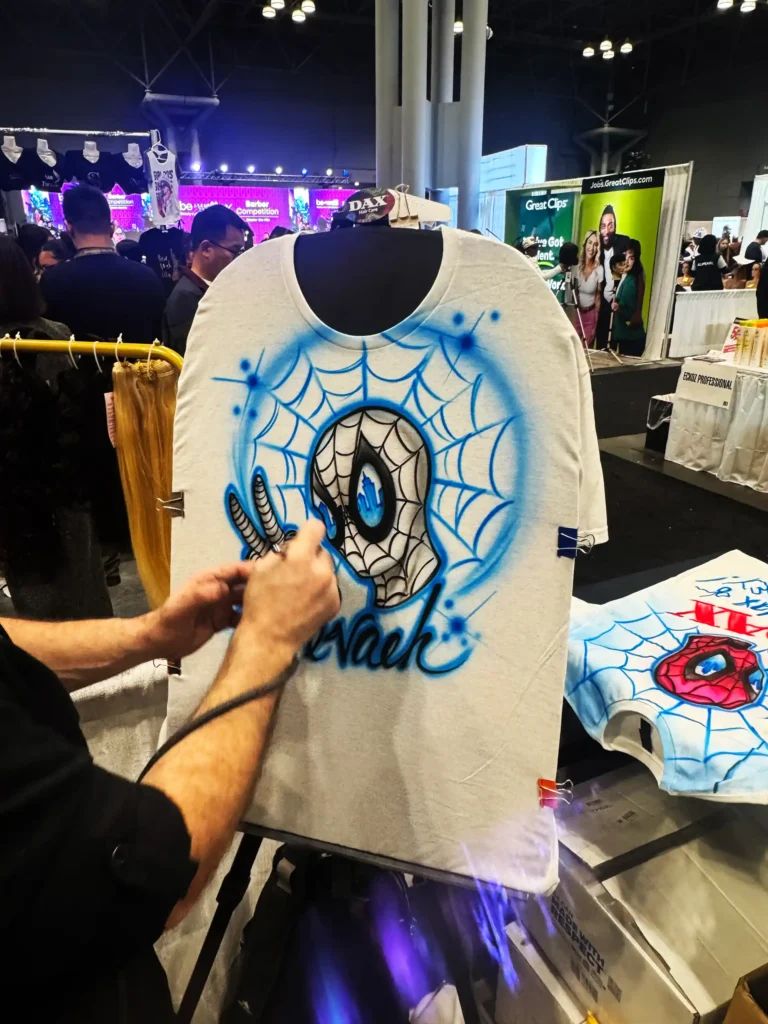

Not everything we airbrush gets washed the same way. Airbrush sweatshirts and sweatpants follow the same basic rules as shirts, which means inside out, cold water, and a gentle cycle. Thick fabric takes longer to dry, so give it plenty of time on a rack or hanger instead of rushing it in the dryer.
Hats and beanies are a different story. Skip the washing machine completely, because it can bend the brim and rough up the paint. Spot clean with a damp cloth and a tiny bit of mild soap, then let it air dry so it keeps its shape.
A canvas tote bag can usually handle a gentle cold wash inside out, followed by hanging to dry. Totes get used hard, though, so spot cleaning is often enough. Bags made of nylon or coated material should only be wiped clean.
Storage matters too. Fold clean, dry shirts or hang them in a closet instead of leaving them in a hot car or a sunny window. Sunlight is hard on any colored fabric, and airbrushed designs are no exception.
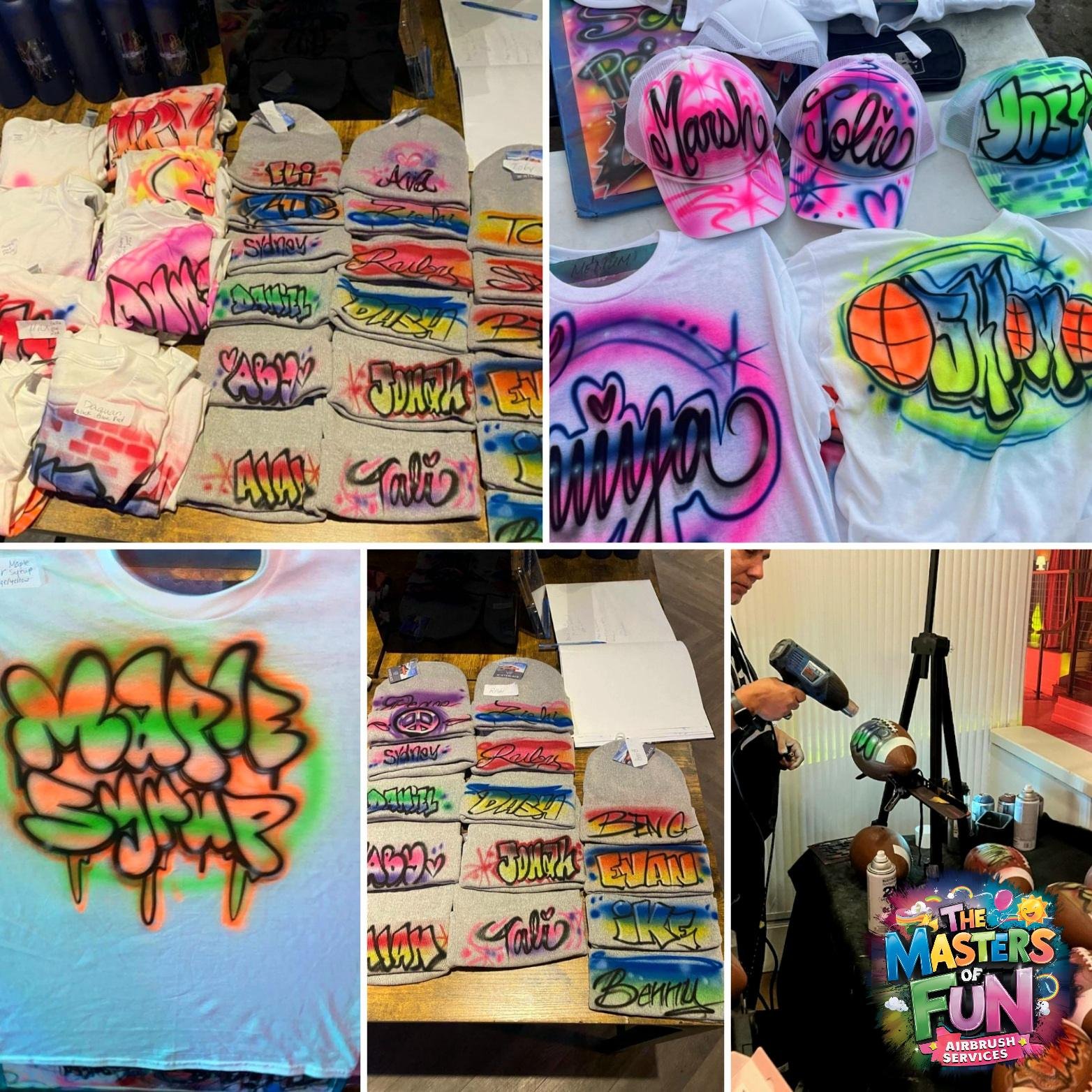
Many of these pieces come home from a Bar Mitzvah, a school event, or a birthday party, and they tend to become favorites. A little care keeps that favorite looking good for years, which is the whole point of having something made just for you.
You can now and then, as long as the shirt is inside out and the dryer is on its lowest heat. Hanging it to dry is still the better choice, since high heat can fade or crack the design.
Aim for at least five to seven days so the paint can fully cure. If the artist who made your shirt gave you a different timeline, go with theirs.
Not if you care for it properly. Some softening of the color over time is normal, just like with any printed shirt, but hot water, rough scrubbing, and harsh products speed it up.
No. Both can lift or discolor airbrush paint. Blot spills with a damp cloth and use a mild detergent instead.
Start with the care label, then ask the artist who made it. If your item came from one of our events, you are welcome to reach out to our team and we will point you in the right direction.
Thank you for reaching out—we’re excited to hear about your event! You will also receive an email confirmation letting you know that we sucessfully received your completed form. If you don’t see it, please check your spam or junk folder. A member of our team will contact you within 1–2 business days.
For faster service, you’re also welcome to call us at 973.221.3683